About me

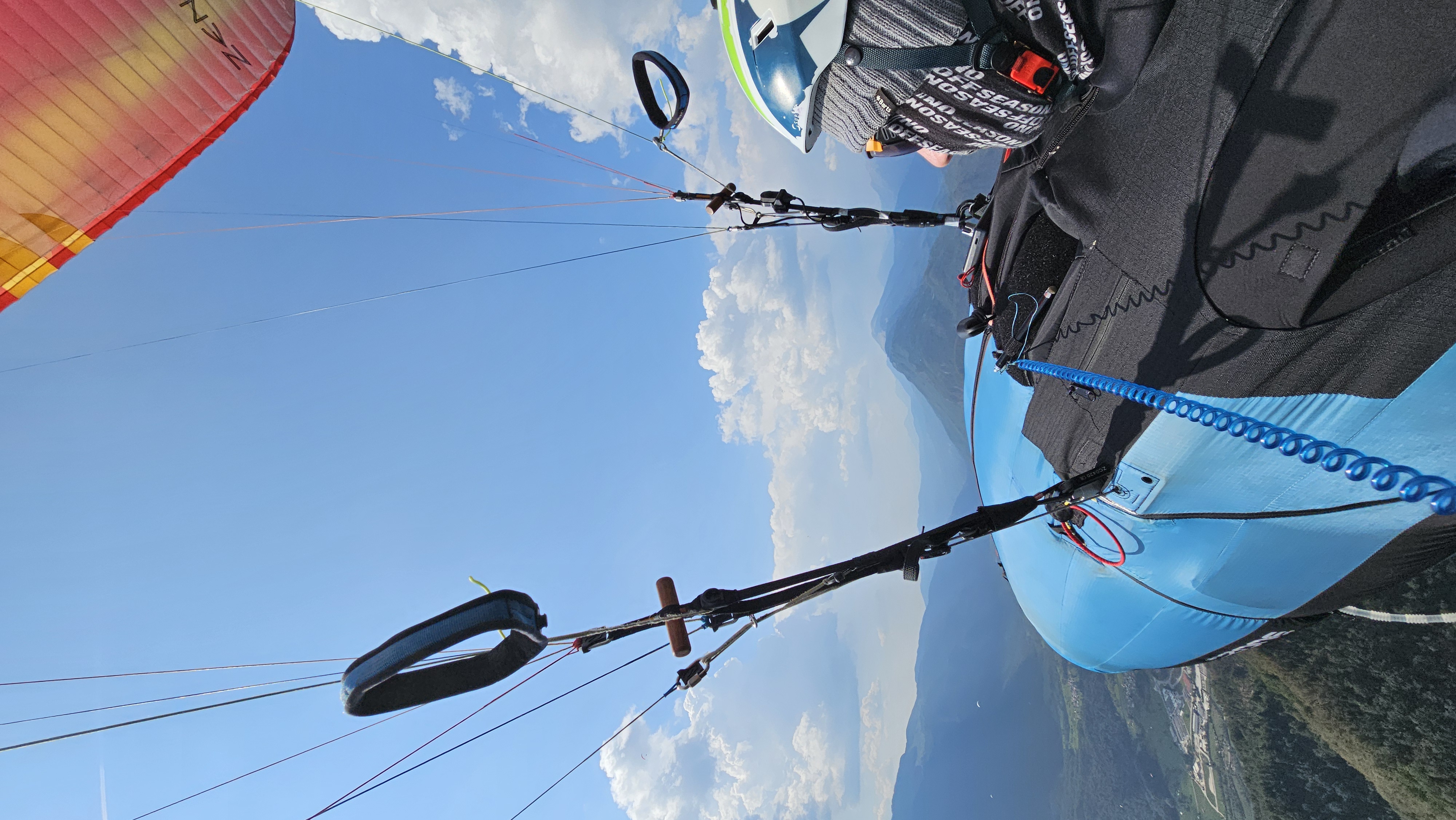
Hi! I'm Bastian Herold (26), studying electrical engineering & information technology and living in beautiful Bavaria, with a secret soft spot for Switzerland. When the sun is shining, you'll usually find me up in the air paragliding; when it's raining, I'm deeply immersed in my self-built LiftAir Vario, made from software, hardware, and 3D printing. When I'm not tinkering or flying, I'm running up the mountains right outside my door.


Paragliding

Past

My introduction to paragliding began because of my dad, who took me along on tandem flights when I was a child. After countless ground-handling hours, I flew solo at the dune for the first time at 15. That quickly turned into a deep passion that led me early on to cross-country flights, competitions, and hike & fly. National and international events, including the China Paragliding Open, the Bordairrace, and the Junior World Championship, shaped my path and formed my competitive ambitions.

Present

Today I fly nationally and internationally with a focus on performance-oriented XC flying, precise line choice, and demanding hike & fly projects.

Competition:
Wing: Ozone Enzo 3
Harness: Ozone Submarine

Hike & Fly:
Wing: Ozone Zeolite 2
Harness: Bogdan Zeppelin X

Future

In the future, I want to keep improving my XC performance, compete in new competitions, and discover the world from the air through bivouac flying.

New countries and perspectives are at the center of it all. For me, paragliding remains not just a sport, but an ongoing journey full of inspiration, surprises, and personal growth.

Variometer

LiftAir

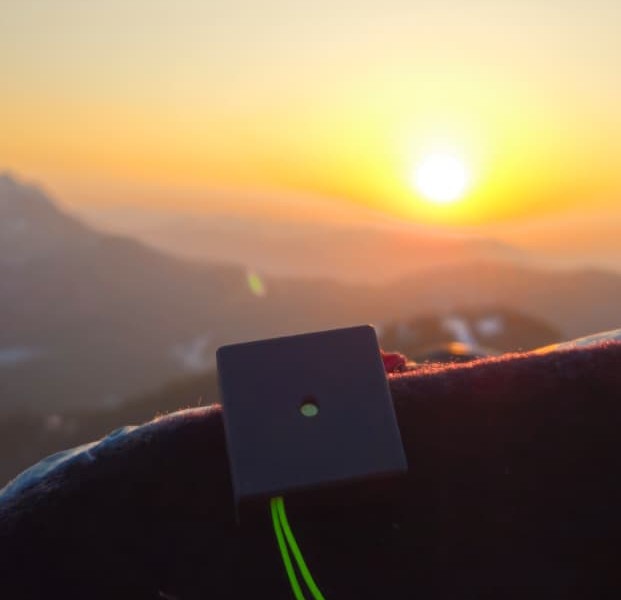
The variometer for paraglider pilots.

Software

For the software, my goal is the most robust, low-noise processing of sensor data possible. At its core is a Kalman filter that fuses all 10 sensor readings and calculates a precise vario tone. On top of that, there is an efficient interrupt-driven sampling routine and a modular code structure so that future expansions such as GPS logging, FLARM, or a display can be integrated without any issues.

For easy configuration, all settings can be adjusted using the LiftAir app.

  • Firmware updates
  • Customize the sound profile
  • Change the Bluetooth protocol
  • Calibration
  • and much more.

Hardware

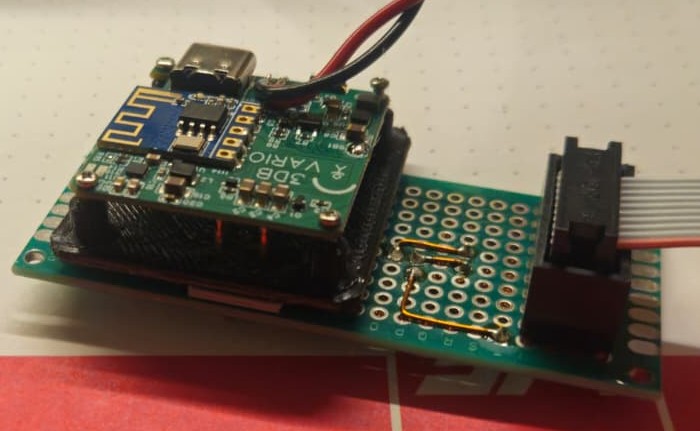
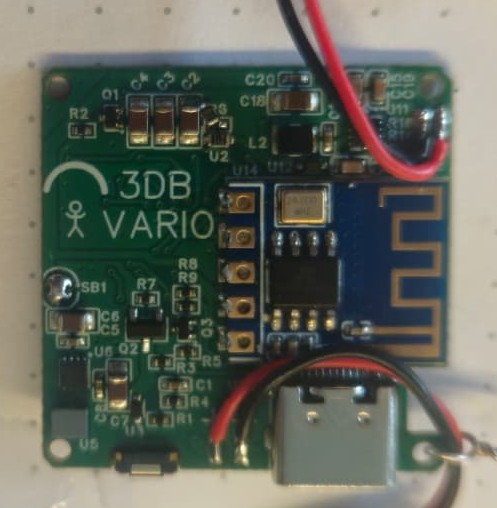
At the heart of the hardware are a highly precise barometric pressure sensor, accelerometer, tilt sensor, and magnetometer.

A low-power microcontroller handles the sensor fusion calculations.

In addition, there is a Bluetooth module, GPS receiver, solar, and a battery for long runtime.

The speaker is a piezo buzzer: small, compact, and loud. Intuitive control with just one button.

If the battery does run empty, it can be fully charged via USB-C in just 30 minutes.

Housing

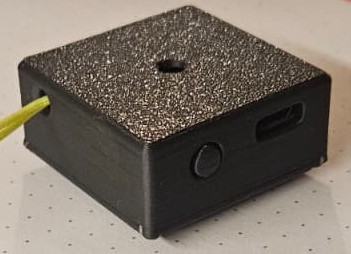
The housing is incredibly important for good sound.

To keep costs low and remain as flexible as possible, I decided to make the housings with a 3D printer.

ASA-CF should withstand all outdoor conditions.

Later, I would like to switch to injection molding or even machined ALU.

Contact

Our privacy policy applies.